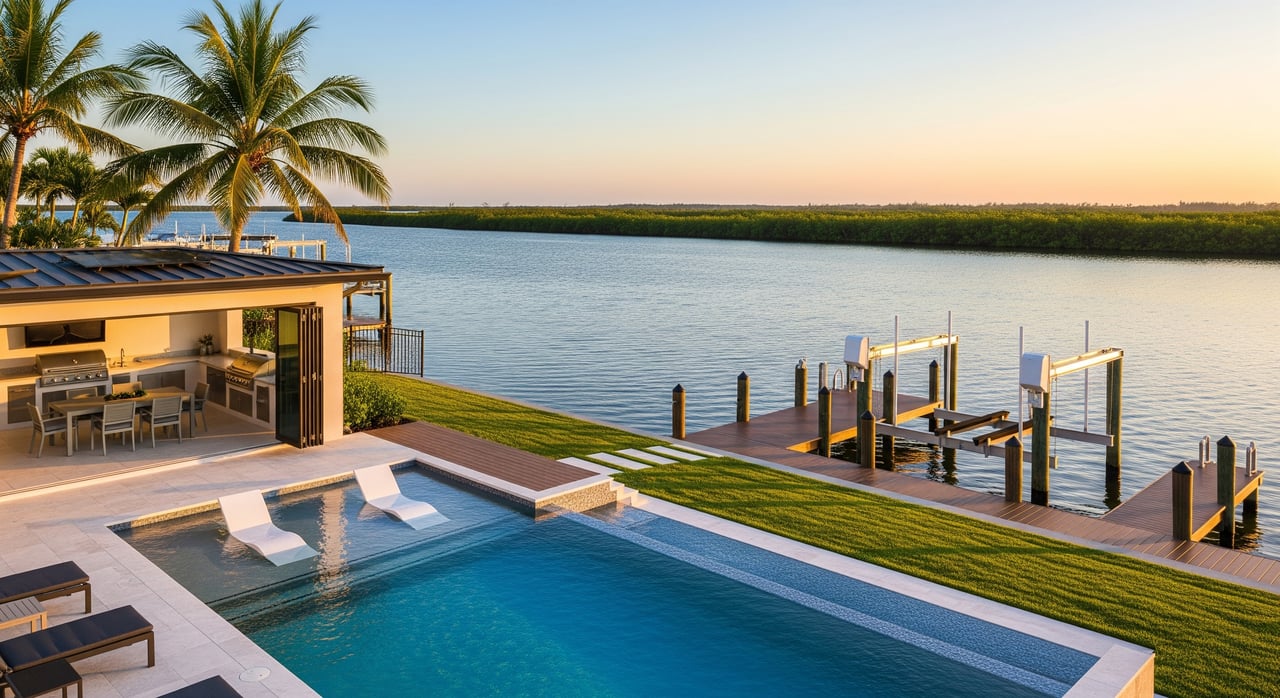
Shopping riverfront in Rockledge and wondering which features really move the needle? On the Indian River Lagoon, the right details can elevate your daily life, reduce maintenance headaches, and strengthen long‑term resale. You want confidence that a dock, lift, and outdoor spaces are both enjoyable and well permitted. This guide breaks down the high‑value waterfront features buyers prioritize in Rockledge, plus what to verify before you make an offer. Let’s dive in.
Rockledge waterfront basics
Rockledge sits on the western shore of the Indian River Lagoon, a brackish, tidal estuary. Water level changes, storm surge potential, and sensitive seagrass beds influence where you can place docks and how you access the water. Mangroves and wildlife, including manatees, shape boating patterns and what kind of in‑water work is allowed. Expect permitting oversight from the U.S. Army Corps of Engineers, Florida Department of Environmental Protection, Brevard County, and the City of Rockledge for most shoreline and dock projects.
Docks and boat lifts buyers want
What buyers look for
- Safe, functional access with stable decking and thoughtful railings.
- A boat lift sized to your vessel with reliable power and controls.
- Evidence of proper permits and inspections to avoid closing delays.
- Useful extras like cleats, lighting, fresh water, and shore power at the dock.
Permits and site constraints
In the Indian River, seagrass and submerged land rules can limit dock length, pile placement, or dredging. Many projects need approvals from USACE, FDEP, and local agencies, especially if dredging or larger structures are proposed. Unpermitted docks can trigger fines and complicate resale, so ask for permit records and as‑built drawings during due diligence.
Materials that last in brackish water
Composite or dense hardwood decking resists rot and reduces maintenance, while aluminum framing and marine‑grade stainless fasteners help combat corrosion. Floating docks can handle water level variation, but fixed‑pile docks often feel more solid. For lifts, look for marine coatings, 316 stainless hardware, and sacrificial anodes to minimize galvanic corrosion.
Maintenance and lifecycle
Factor in annual lift servicing, electrical checks, and periodic decking or fastener replacement. Marine environments accelerate wear, so a recent inspection report and maintenance logs are valuable. Budget for storm‑related repairs and long‑term capital needs to keep your dock and lift in top condition.
Outdoor kitchens and living spaces
Why they matter
Waterfront buyers often want turn‑key outdoor living: a built‑in grill, covered dining, and easy indoor‑outdoor flow. Ready‑to‑enjoy spaces mean you can host right away without taking on immediate projects. Well‑planned layouts add lifestyle appeal and resale strength.
Utilities and code basics
Gas lines, electrical circuits, GFCI‑protected outlets, and proper drainage are musts. Licensed contractors and permits are typically required for gas and electrical work. If you prefer gas appliances, confirm natural gas availability or plan for propane with code‑compliant installation and ventilation.
Finishes that hold up
Choose corrosion‑resistant and UV‑stable materials: stainless or coated appliances rated for coastal use, granite or engineered stone counters, and slip‑resistant exterior flooring like sealed concrete, porcelain pavers, or composite decking. Covered areas reduce sun and rain exposure, extending appliance life.
Documentation buyers value
Buyers appreciate clear permits, manuals, and service records for grills, refrigeration, and any outdoor HVAC components. Documented installations and maintenance signal care and can smooth appraisal and resale.
Shade structures and screened lanais
Popular options
- Screened lanais or porches for insect protection and evening use.
- Pergolas for light shade and aesthetic appeal at a lower cost.
- Covered patios or roofed porches that function as true outdoor rooms.
Resilience and code
Permanent roofs and enclosed additions must meet Florida Building Code coastal standards for wind loads and anchoring. Impact‑rated doors or enclosures may be required depending on design. Retractable awnings should be designed for expected wind loads and stowed before storms.
Materials that resist corrosion
Favor aluminum framing with stainless fasteners and marine‑grade screen materials. For fabrics, UV‑stable options like solution‑dyed acrylic perform well in sun and salt air. Hardware and connectors should be compatible to prevent galvanic corrosion.
Resilient exteriors for coastal homes
Siding and fasteners
Fiber‑cement and quality composite claddings handle humidity and salt better than untreated wood. Use 316 stainless or hot‑dip galvanized fasteners and avoid mixing incompatible metals. Regular inspections help catch sealant and flashing wear early.
Roofing and windows
Metal roofs, when properly engineered, offer strong wind performance and durability. High‑grade architectural shingles are another common choice. Impact‑resistant windows and corrosion‑resistant frames can deliver insurance credits and reduce maintenance.
Foundations and flood readiness
Many riverfront homes sit in FEMA‑mapped flood zones, which affects elevation requirements and insurance. Elevated foundations, flood vents, and positioning utilities above base flood elevation are smart long‑term strategies. Ask for the current elevation certificate during your review.
Access, insurance, and resale factors
Boating access and navigation
- Confirm water depth at mean low tide at the dock, not just at high tide.
- Ask about shoaling and whether dredging was completed or permitted.
- Check bridge clearances and route options if you plan to reach the Atlantic.
Insurance and flood considerations
Premiums vary by flood zone and finished floor elevation. Homes with elevation certificates and mitigation features often see more favorable quotes. Verify details early so you can compare properties on a true cost basis.
Resale confidence signals
Documented permits, inspection reports, and transferable warranties reduce buyer uncertainty. Clear records for docks, lifts, seawalls, and outdoor additions streamline appraisals and closings. Well‑maintained coastal materials signal lower near‑term costs.
Quick buyer checklist for Rockledge waterfront
- Copies of permits and as‑built drawings for docks, lifts, seawalls, and outdoor structures.
- Recent dock, lift, and seawall inspection reports and maintenance logs.
- Elevation certificate and information on flood zone and mitigation features.
- Details on water depth at mean low tide and any dredging agreements.
- Utility info for outdoor kitchens, including gas availability or propane setup.
- HOA or deed restrictions related to docks, colors, or structural additions.
- Third‑party inspections by a marine contractor, coastal engineer, or marine surveyor.
Tips for waterfront sellers
- Highlight recent permitted improvements to docks, lifts, and outdoor living spaces.
- Organize maintenance logs, inspection reports, and warranties for easy buyer review.
- Provide your elevation certificate and note any mitigation upgrades.
- Consider modest updates to coastal finishes and hardware to reduce buyer objections.
Local guidance when you are ready
Choosing the right Rockledge riverfront home comes down to lifestyle fit, permitted access, and long‑term resilience. With construction, design, and listing expertise, you get a partner who can help you weigh materials, permits, insurance, and resale with confidence. If you are comparing properties along the Indian River, the DeRoy Thornton Group is ready to help you evaluate options and move forward with clarity.
FAQs
Do docks on the Indian River in Rockledge need permits?
- Most docks, lifts, and shoreline work require approvals from local and state or federal agencies depending on size and scope. Unpermitted structures can create legal and resale issues.
Are boat lifts worth it for Rockledge buyers?
- Yes for most boat owners. Lifts reduce hull fouling and maintenance and are strong selling features when properly sized, permitted, and serviced.
What dock materials last longest in brackish water?
- Aluminum framing, 316 stainless fasteners, composite or dense hardwood decking, and lifts with marine‑rated coatings and sacrificial anodes provide better longevity.
Will flood insurance be expensive on the Indian River?
- Premiums depend on flood zone, elevation, and mitigation. Elevated homes with documentation often secure more favorable rates, so get quotes early.
Can you add a dock later if one is not present?
- Possibly, but feasibility depends on setbacks, seagrass locations, submerged land rules, and permits. Some lots or neighborhoods make additions costly or limited.
