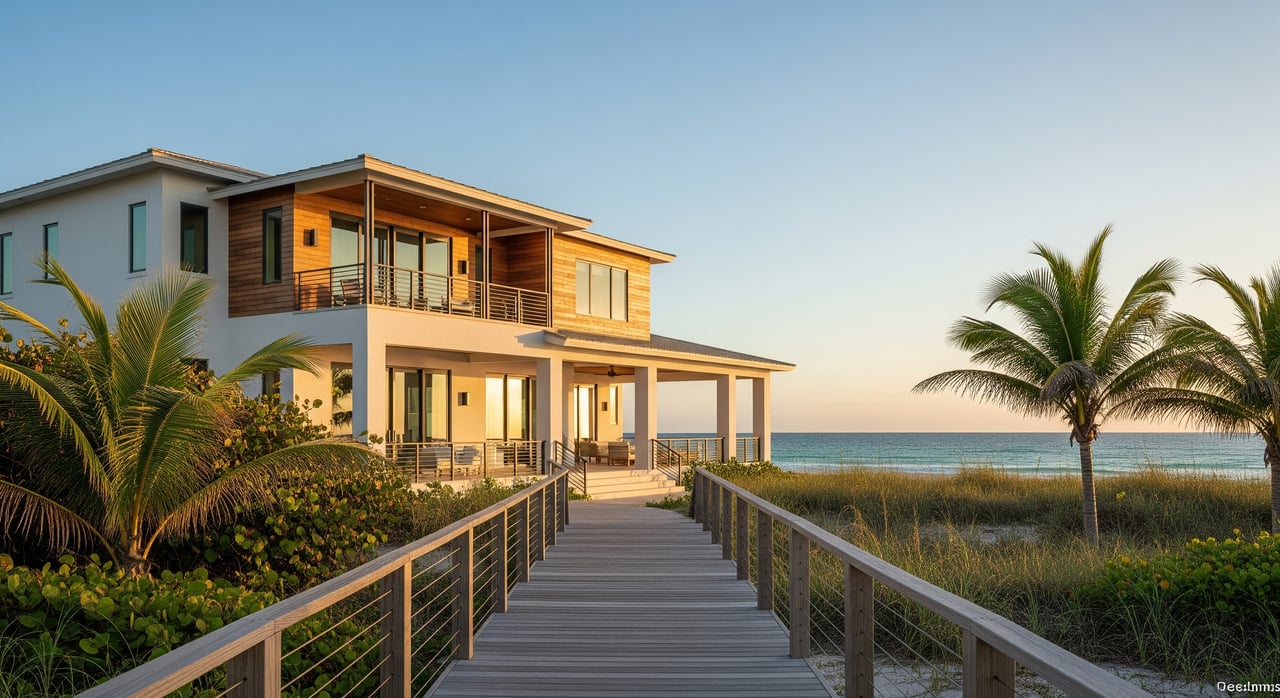
Dreaming of a place where you can walk to the beach at sunrise or keep your boat steps from your back yard? If Satellite Beach is on your radar, you are looking at a small barrier‑island city with a lot of personality and a housing market that shifts by season and by street. You want a clear plan that fits your lifestyle and your budget. In this guide, you will learn how the Satellite Beach market works, how property types compare, what to check before you offer, and how to time your search with confidence. Let’s dive in.
Satellite Beach at a glance
Satellite Beach sits between the Atlantic Ocean and the Indian River Lagoon. It is a compact city of roughly 11,000 people with oceanfront, canalfront, and inland neighborhoods. That mix creates very different price points and maintenance needs from block to block.
Inventory and buyer traffic are seasonal. Fall and winter typically bring more listings and more out‑of‑state buyers, while summer can be quieter and sometimes more negotiable. Plan your timeline around these rhythms so you see the right homes at the right moment.
Market snapshot for buyers
Prices surged across Florida through 2020 to 2022, then cooled with more normal inventory in 2023 and 2024. Today, Satellite Beach is more balanced than the peak seller’s market. You can expect fair negotiation room in many segments, especially if a home needs updates.
That said, micro‑markets still move fast. Move‑in ready entry‑level homes and standout oceanfront listings can draw quick offers. If you love a home that checks most of your boxes, be prepared to act decisively and structure a clean offer.
Inventory by property type
Single‑family homes
Most Satellite Beach neighborhoods are single‑family. You will find older beach cottages, mid‑century homes, renovated properties, and new infill builds. Direct oceanfront single‑family lots are limited, which supports a premium for properties with unobstructed beach access and views.
Canalfront homes
Canalfront houses line the west side of the island, offering docks and access to the Indian River Lagoon. These homes range from older ramblers to full rebuilds. Marketability depends heavily on dock and seawall condition, water depth, and any bridge clearances that affect boat size.
Condominiums and townhomes
Condos and townhomes appeal if you want lower maintenance and often a lower entry price than a single‑family home. Building‑level differences matter. Review HOA rules, reserve funding, and insurance status. Financing can be more complex at certain projects, so loop in your lender early.
Vacant lots and rebuilds
There are not many true beachfront lots left, which drives teardown‑and‑rebuild activity on older parcels. Inland lots can be more accessible if you want a custom home without the oceanfront premium.
Price bands and depth
- Entry band: smaller inland homes and condos, faster turnover.
- Mid band: updated single‑family homes and many canalfront properties, steady choice.
- High end: direct oceanfront and luxury rebuilds, thin inventory and longer gaps between sales.
Time on market and pricing
Days on market vary by price, condition, and season. Entry‑level homes can go under contract within a few weeks during strong demand windows. High‑end or highly specialized properties, including some oceanfront listings and major remodels, may take months to find the right buyer.
Condition has a clear impact. Turnkey homes command more attention and faster offers than comparable fixers. Waterfront premiums are real, but canalfront pricing can vary based on boating access and the quality of the dock and seawall.
Negotiation levers
In today’s more balanced conditions, you can often keep standard inspection and financing contingencies and request a practical closing timeline. In hot micro‑markets, cash, flexible closing, and limited contingencies can set your offer apart. Work with your agent to tailor terms to the property and the season.
Lifestyle tradeoffs by area
Oceanfront essentials
- Pros: direct beach access, unobstructed views, strong resale appeal, and potential short‑term rental demand where allowed.
- Cons: higher purchase price and insurance, exposure to wind and storm surge, possible erosion concerns, and more frequent exterior maintenance due to salt.
- Practical tips: confirm elevation and FEMA flood zone, understand dune and setback rules, and review evacuation routes and any protective features such as rip‑rap or seawalls.
Canalfront essentials
- Pros: private docks and easy access to the Intracoastal, calmer water for mooring, and a waterfront lifestyle at a lower price than oceanfront.
- Cons: seawall and dock upkeep, tidal and depth limits that impact boat draft, possible bridge clearances, and seasonal lagoon conditions.
- Practical tips: verify permits and maintenance history for docks and seawalls, and confirm water depth and clearances match your boating needs.
Inland pocket essentials
- Pros: lower purchase price and insurance compared with waterfront, often easier parking and larger yards, and a quieter feel.
- Cons: no direct water access or views, and some homes may still be in FEMA flood zones.
- Practical tips: compare property elevation and potential flood insurance needs, and check walking distance to beach access points and daily amenities.
Everyday factors
No matter the neighborhood, consider beach access and public parking, proximity to schools and healthcare, and commuting routes to employment centers in Merritt Island, Cocoa, Titusville, and Melbourne. These daily details shape how your home will live.
Insurance and risk basics
Much of Satellite Beach lies in FEMA‑mapped flood zones. If you finance a home in a high‑risk zone, your lender will typically require flood insurance. Premiums depend on property elevation and local community rating.
Florida’s coastal insurance market has seen shifts in carrier availability and pricing. Get quotes for homeowners, wind, and flood coverage before you finalize an offer. This step can clarify true monthly costs and prevent surprises during underwriting.
For waterfront properties, request documentation for seawalls and docks, including permits and any recent repairs. Condos and some neighborhoods have HOAs that set rules on rentals, exterior changes, and insurance. Review HOA financials, reserves, insurance policies, and rental rules so you understand your obligations.
Smart search and timing
Seasonality matters. From October through March, you will typically see more listings and more buyer traffic. If you want options and are comfortable competing, that window can be productive. Summer months are often quieter, which can bring more room to negotiate on select listings.
Keep your search focused by price band and location. Ask your agent for current micro‑market comps and days‑on‑market data from the local MLS. That level of detail will help you decide where to be aggressive and where to be patient.
Pre‑offer checklist
Before you write an offer, line up these items to move fast and protect your interests:
- Pull current comps and days‑on‑market for your specific micro‑market from the local MLS.
- Obtain preliminary quotes for homeowners, wind, and flood insurance.
- Check FEMA flood maps for the property. If it sits in a high‑risk zone, request an elevation certificate.
- For waterfront homes, ask for dock and seawall permits and maintenance history, plus information on water depth and bridge clearances.
- Confirm HOA or condo rules, rental policies, reserves, and any pending assessments.
- Discuss appraisal considerations if the home is unique, custom, or luxury. Build a closing timeline that allows for this.
Due diligence after you are under contract
Once you are in escrow, tighten your risk checks and timelines:
- Full home inspection that covers roof, HVAC, plumbing, structural, and pest concerns such as termites or mold.
- For canalfront or oceanfront homes, bring in a marine contractor or structural specialist to evaluate docks, lifts, and seawalls.
- Order a boundary survey to confirm lot lines, setbacks, and any encroachments.
- Review the city and county permitting history and address any open permits or unpermitted work.
- Confirm utilities, including whether the home is on septic or sewer, and get clarity on any seawall responsibilities.
- For unique waterfront or luxury homes, allow extra time for appraisal and lender review.
- Have the title company review easements, waterways rights, and access to public beach rights‑of‑way if relevant.
How to compare similar homes
When two homes look comparable on paper, weigh the items that tend to impact value and holding costs in Satellite Beach:
- Elevation and flood zone designation
- Roof age and type, plus wind mitigation features
- Window and door impact ratings
- Dock, lift, and seawall age and condition on canalfront homes
- HOA or condo reserves, insurance status, and special assessments
- Proximity to beach access, daily amenities, and evacuation routes
Offer strategy that fits the property
Match your offer terms to the micro‑market. For a well‑priced, turnkey home, be ready with strong earnest money, flexible closing, and limited repair asks for minor items. For a property that needs updates or has less competition, you may secure seller credits or a price reduction after inspections. Your agent can help you localize this strategy using fresh MLS data and recent Satellite Beach comps.
Work with local experts
Buying near the ocean or on a canal adds layers you will not see inland. You deserve a team that understands construction, insurance, and lifestyle tradeoffs as well as negotiation and contract details. With deep Space Coast market knowledge, complementary construction and mortgage insight, and a calm, concierge approach, our team helps you focus on what matters most while we manage the moving parts.
If you are considering Satellite Beach, reach out early so we can align your wish list with the right neighborhoods and a realistic timeline. We will help you compare oceanfront, canalfront, and inland options, estimate true carrying costs, and craft a clear search plan.
Ready to get started? Connect with the DeRoy Thornton Group for a focused, step‑by‑step path to your next home in Satellite Beach.
FAQs
Are oceanfront homes a good investment in Satellite Beach?
- Oceanfront homes can have strong resale demand and premium pricing, but they come with higher insurance, maintenance, and coastal hazard exposure. Your long‑term outcome depends on elevation, setback, and condition.
Do canalfront docks fit all boat sizes in Satellite Beach?
- Not always. Verify water depth, tidal range, draft limits, and bridge clearances for your specific boat, and have a marine specialist inspect docks and seawalls during due diligence.
Is flood insurance required for homes in Satellite Beach?
- Lenders typically require flood insurance when a property is in certain FEMA flood zones. Even outside those zones, many buyers choose coverage due to coastal risk.
Do condos in Satellite Beach have extra financing hurdles?
- Some condo projects face stricter lender underwriting or require project certification. Review HOA financials and insurance early, and have your lender confirm eligibility.
How seasonal is the Satellite Beach housing market?
- Inventory and buyer traffic are typically higher from fall through winter, while summer is often quieter. Your timing can shape selection, competition, and negotiation room.
What should I check on a seawall or dock before buying in Satellite Beach?
- Ask for permits and maintenance records, confirm structural condition with a marine contractor, and verify water depth and clearances match your boating needs.
